Do Solar Panels Work in Winter?
One of the biggest concerns people have about installing solar panels in Newcastle upon Tyne is whether they will work during the winter months. It is a perfectly reasonable question. After all, winters in the North East of England are characterised by shorter days, lower sun angles, and more frequent cloud cover. However, the answer is a reassuring yes, solar panels absolutely do work in winter, and they can still make a meaningful contribution to your energy needs during the colder months.
Understanding how solar panels perform throughout the year, including during winter, is important for setting realistic expectations and appreciating the full value of your investment. In this guide, we explain exactly how solar panels work in winter, what output you can expect, and how you can maximise your winter generation.
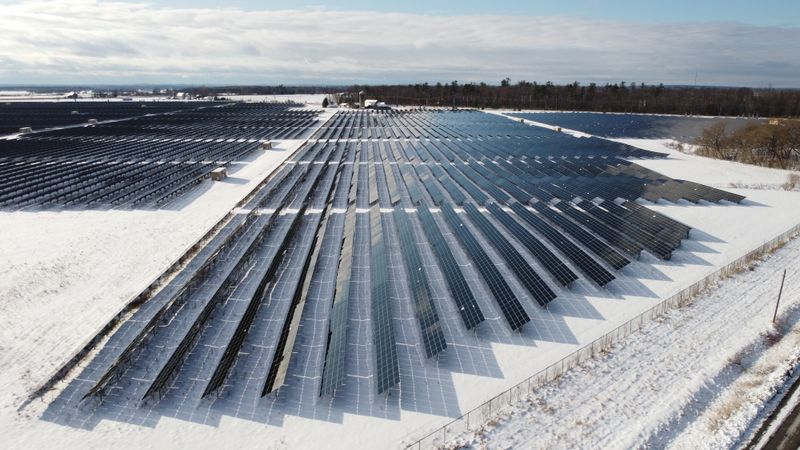
How Solar Panels Generate Electricity in Winter
Solar panels generate electricity from daylight, not from heat or direct sunlight. This is a crucial distinction. Even on a grey, overcast day in December, there is sufficient daylight for your solar panels to generate electricity. The photovoltaic cells in your panels respond to photons (light particles) across the visible light spectrum, which are present in diffuse light as well as direct sunlight.
In fact, solar panels can actually be more efficient in cooler temperatures. Solar cells are semiconductor devices, and like all semiconductors, they operate more efficiently when they are cool. The temperature coefficient of a typical solar panel means it produces slightly more power at 10 degrees Celsius than at 30 degrees Celsius, all other factors being equal. So whilst there is less daylight in winter, the cooler operating temperatures partially offset this.
Winter Solar Generation in Newcastle
To give you a realistic picture of winter performance, here are typical monthly generation figures for a 4kW solar panel system in Newcastle upon Tyne:
- June (best month): 480-520 kWh
- July: 460-500 kWh
- March/September: 320-360 kWh
- November: 100-140 kWh
- December (worst month): 60-90 kWh
- January: 70-100 kWh
- February: 120-160 kWh
As you can see, winter generation is significantly lower than summer, but it is by no means negligible. Over the three winter months of December, January, and February, a 4kW system in Newcastle will typically generate between 250 and 350 kWh, which is enough to cover a meaningful proportion of your winter electricity consumption.
Seasonal Distribution of Solar Generation
It is helpful to understand how your annual solar generation is distributed across the seasons. For a system in Newcastle upon Tyne, the approximate seasonal split is:
- Spring (March-May): 28% of annual generation
- Summer (June-August): 38% of annual generation
- Autumn (September-November): 22% of annual generation
- Winter (December-February): 12% of annual generation
Whilst winter accounts for only about 12% of your annual generation, the savings during these months can be proportionally higher because electricity prices tend to be at their highest during winter, and your energy consumption is typically at its greatest.
Does Snow Affect Solar Panels?
Snow can temporarily reduce solar panel output if it covers the surface of the panels. However, this is rarely a significant issue in Newcastle upon Tyne for several reasons:
- Solar panels are installed at an angle, which helps snow slide off naturally
- The dark surface of solar panels absorbs sunlight and warms up, accelerating snow melt
- Heavy, persistent snow cover is relatively uncommon in Newcastle, and when it does occur, it rarely lasts more than a few days
- Even with partial snow cover, the uncovered portions of the panels continue to generate electricity
In our 15 years of installing solar panels in the North East, we have found that snow has a negligible impact on annual generation. It may cause a few days of reduced output each winter, but this is more than compensated for by the long, bright summer days.
Maximising Winter Solar Performance
There are several strategies to make the most of your solar panels during the winter months:
- Battery Storage: A battery allows you to store the limited solar energy generated during short winter days and use it during the long evenings. This is particularly valuable in winter when the majority of your energy usage occurs after dark.
- Optimal Tilt Angle: Panels installed at a steeper angle (35-40 degrees) capture more of the low winter sun compared to panels at a shallower angle. In Newcastle, the optimal year-round tilt is approximately 37 degrees.
- Keep Panels Clean: In winter, when every bit of light matters, keeping your panels clean and free from dirt and debris ensures maximum light absorption.
- Smart Energy Management: Use timers and smart plugs to run appliances during the middle of the day when solar generation is at its peak, even in winter.
- Time-of-Use Tariffs: Combine your solar panels with a time-of-use electricity tariff. Charge your battery from the grid at cheap overnight rates and use solar energy during expensive daytime periods.
The Annual Picture: Why Winter Performance Matters Less Than You Think
When evaluating the worthiness of solar panels, it is important to consider the full annual picture rather than focusing solely on winter performance. A 4kW system in Newcastle upon Tyne will generate approximately 3,400-3,800 kWh over the entire year, delivering annual savings of £700-£950 on your electricity bills.
The strong summer performance more than compensates for the lower winter output. During the peak summer months, your panels may generate more electricity than you can use, allowing you to export the surplus and earn money through the Smart Export Guarantee. This exported income helps offset the higher electricity costs you incur during winter.
Conclusion
Solar panels absolutely work in winter in Newcastle upon Tyne. Whilst generation is lower than during the longer, brighter summer months, your panels will continue producing meaningful amounts of free, clean electricity throughout the colder months. When viewed over the full year, solar panels deliver excellent financial returns regardless of the winter dip in performance.
If you have any further questions about how solar panels perform in our North East climate, our team would be happy to discuss them with you. Contact us on 0330 223 7664 or request a free quote.